
En resumen, la luz de tu casa influye en cómo duermes, te concentras y te sientes, porque tu cuerpo interpreta la luz como una señal para la hora del día. La luz brillante y fría por la mañana te ayuda a despertarte y a concentrarte. La luz cálida y tenue por la noche permite que aumente la melatonina para que duermas bien. La iluminación de cambio de color (CCT) permite que un solo accesorio haga ambas cosas.
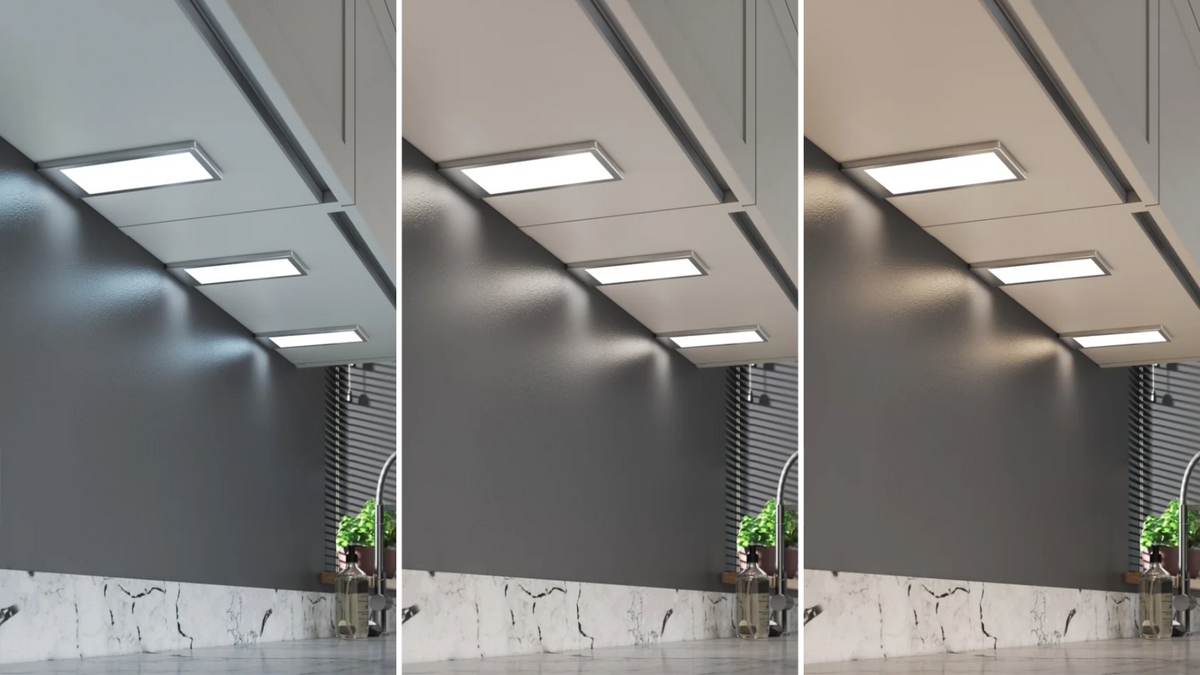
Hablamos mucho de iluminación en términos de estética, como el acabado, la temperatura del color y el accesorio adecuados para el espacio. Pero nuestra industria rara vez tiene la conversación más importante: que la luz de tu casa no es solo decorativa, sino biológica. Es exactamente por eso que ofrecemos productos CCT que te permiten deslizarte por todas las temperaturas, de cálida a fría. Esta tecnología te permite ajustar tu luz según la hora del día, apoyando tu sistema circadiano.
Para saber más sobre la CCT, haz clic aquí.
¿Qué es el ritmo circadiano?

El ritmo circadiano es el reloj interno de 24 horas de tu cuerpo. Gobierna cuándo te sientes alerta, hambriento y cansado, y se establece principalmente por la luz que entra en tus ojos.
Tu cuerpo funciona con un reloj interno de 24 horas, el ritmo circadiano, y lo ha hecho desde mucho antes de que existiera la iluminación eléctrica. Gobierna cuándo te sientes alerta, cuándo te sientes cansado, cuándo tienes hambre y cuándo tu cuerpo realiza su reparación celular esencial. Lo gestiona una pequeña región del cerebro llamada Núcleo Supraquiasmático (NSQ), que responde sobre todo a una señal: la luz.
Cuando la luz incide en la retina, las células fotorreceptoras especializadas señalan al NSQ, que suprime la melatonina (la hormona que produce sueño) y aumenta el cortisol (la hormona que impulsa el estado de alerta). En pocas palabras, tu cuerpo interpreta la luz como una instrucción sobre cómo comportarse, por lo que la luz en un hogar hace mucho más que decorarlo.
¿Cómo me afecta el ritmo circadiano?
El ritmo circadiano afecta a tu energía, concentración, apetito y calidad del sueño durante todo el día. Recibir la luz equivocada en el momento equivocado, como una luz brillante y fría a altas horas de la noche, retrasa el sueño y embota la recuperación.
A lo largo de un día normal, esto se manifiesta en un patrón que la mayoría de nosotros reconocerá:
· Mañana (alrededor de las 7 a.m.): el cortisol aumenta y el cuerpo se activa. La luz brillante, fría y diurna en cocinas y baños ancla el reloj y elimina las últimas hormonas del sueño de la noche.
· Media mañana (alrededor de las 10 a.m.): la alerta alcanza su punto máximo. Este es el momento para el pensamiento complejo, por lo que un hogar bien iluminado realmente contribuye a la concentración de sus habitantes.
· Noche (alrededor de las 9 p.m.): se libera melatonina en preparación para el sueño. Aquí es donde la iluminación del hogar importa más: los LED blancos fríos y las pantallas retrasan el sueño al suprimir la melatonina, mientras que la luz cálida y tenue en las salas de estar y los dormitorios funciona con ella.
· Durante la noche (alrededor de las 2 a.m.): la fase más profunda de reparación celular, y su calidad depende en gran medida del entorno lumínico de las horas previas.
¿Cómo debes iluminar una casa para apoyar el ritmo circadiano?

Utiliza luz más brillante y fría (alrededor de 4000K a 6500K) en espacios matutinos y de trabajo como cocinas y baños, y luz más cálida y tenue (alrededor de 2700K a 3000K) en salas de estar y dormitorios desde la tarde en adelante.
Una casa iluminada cuidadosamente, con luz más brillante y fría en los espacios funcionales de la mañana y luz más cálida y tenue en las áreas de estar de la tarde, es una casa que apoya activamente la salud y el bienestar de todos sus habitantes. Para las familias con niños pequeños, cuyos ritmos circadianos son particularmente sensibles a las señales de luz, esto es aún más importante. Para los residentes mayores, cuya producción natural de melatonina disminuye con la edad, el entorno de luz adecuado por la noche puede marcar una diferencia significativa en la calidad del sueño y, por extensión, en la salud general.
La buena noticia es que la tecnología para lograrlo no es complicada ni cara. Los LED de color seleccionable, los controles inteligentes y los sistemas regulables están ampliamente disponibles y son cada vez más esperados por el consumidor final. La CCT ofrece todo el espectro de temperaturas de luz que se pueden cambiar para adaptarse a la habitación y a la hora del día, más frías para los espacios matutinos y más cálidas para los nocturnos, en cualquier momento. La conversación ha pasado de "qué queda bien" a "qué funciona para nosotros como hogar", y la iluminación que apoya la salud circadiana se encuentra precisamente en el centro de esta conversación.
¿Por qué la iluminación circadiana es importante para la industria de la cocina, baño y dormitorio (KBB)?
La iluminación circadiana importa comercialmente porque los clientes ahora compran por bienestar además de por el aspecto, y los minoristas que pueden explicar la biología ganan la especificación.
Para los que trabajamos en el sector de la KBB, la iluminación consciente del ritmo circadiano representa tanto una responsabilidad como una oportunidad. Los clientes están más informados que nunca sobre la relación entre el entorno y el bienestar, y cada vez hacen más las preguntas adecuadas. Estar preparado para responder a esas preguntas, para explicar no solo lo que un producto hace estéticamente, sino también biológicamente, es lo que diferencia una recomendación experta de una venta transaccional.
La luz que especificamos y almacenamos no solo termina una habitación. Si se hace bien y funciona con el reloj propio del cuerpo, más brillante y fría donde comienza el día, más cálida y suave donde termina, ayudando a las personas que viven en ella.
¿Cómo apoya Sensio la iluminación circadiana?
Sensio diseña y prueba productos por cómo se comportan biológica y visualmente, incluyendo una gama de temperaturas de color para la iluminación lineal y un controlador de ritmo circadiano dedicado.
La innovación líder en el mercado es una de nuestras promesas de marca. Por eso, nuestro equipo de diseño del Reino Unido trabaja junto a un ingeniero de factores humanos, un especialista en cómo las personas interactúan físicamente con los productos que utilizan, basado en la ciencia y la mecánica corporal. No diseñamos productos simplemente para que se compren; los diseñamos para resolver problemas y los construimos para la longevidad en lugar de las tendencias.
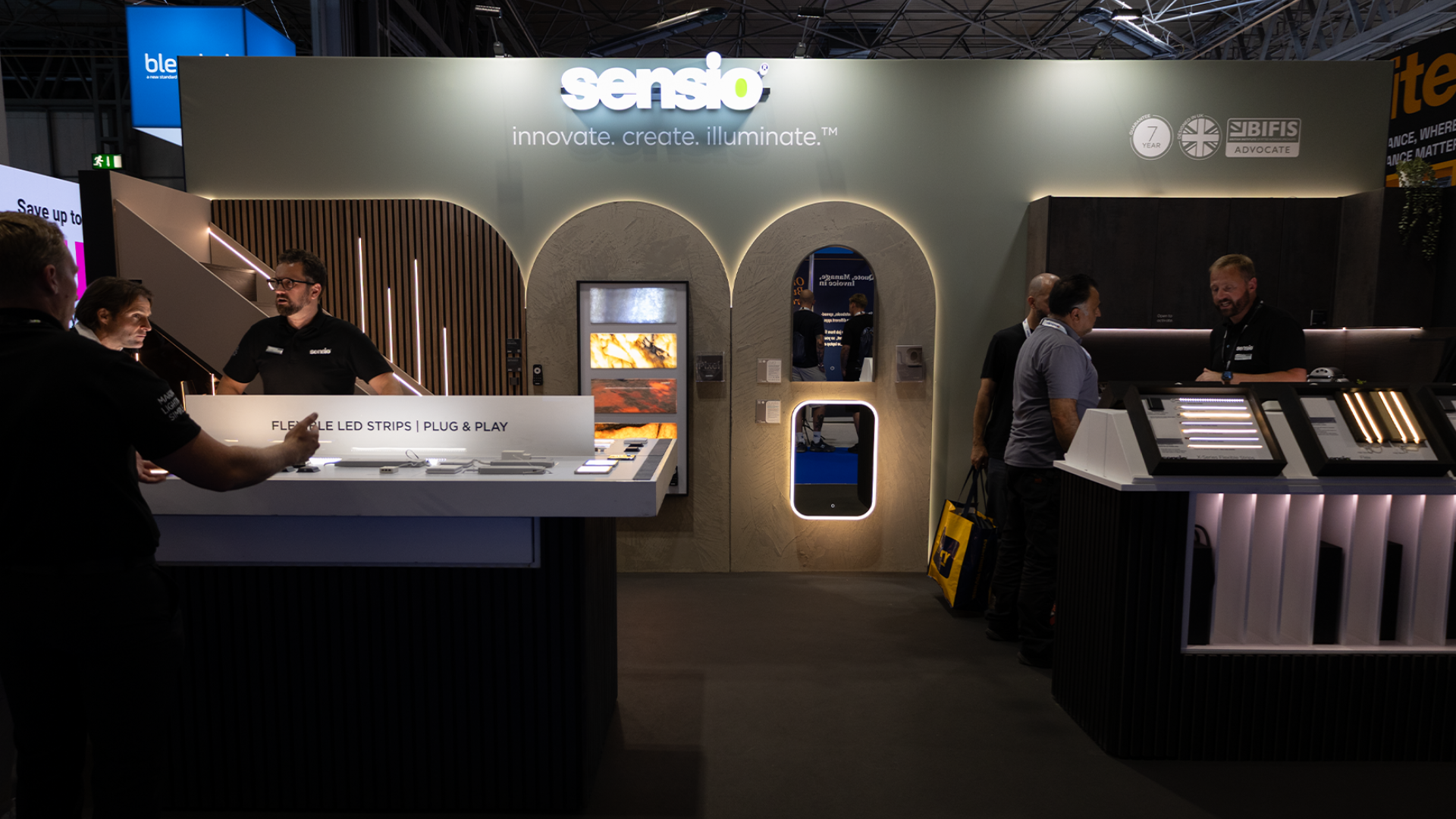
Por eso, nuestras pruebas van más allá de los requisitos de nuestra garantía de siete años: utilizando un espectrómetro, medimos la salida espectral precisa de cada producto, para poder hablar de cómo se comporta un accesorio biológicamente, así como de su aspecto. En KBB mostramos nuestra gama ampliada de temperaturas de color para iluminación en tira junto con nuestro controlador de ritmo circadiano, estén atentos.
Preguntas Frecuentes
¿Qué temperatura de color es mejor por la noche?
Blanco cálido, alrededor de 2700K, atenuado tan bajo como sea cómodo. Cualquier cosa por encima de aproximadamente 4000K en las horas previas a acostarse suprime la melatonina y retrasa el sueño.
¿Qué temperatura de color es mejor por la mañana?
Blanco frío, alrededor de 4000K a 6500K, con un brillo razonablemente alto. Esto imita la luz del día, eleva el cortisol y ancla el reloj biológico para el día siguiente.
¿Qué es la iluminación CCT?
CCT significa temperatura de color correlacionada. Los productos CCT permiten cambiar un accesorio de blanco cálido a blanco frío, de modo que una sola luz puede adaptarse tanto a una cocina luminosa por la mañana como a una habitación relajada por la noche.
¿La iluminación LED afecta al sueño?
Sí. Los LED blancos fríos son ricos en luz de onda corta que suprime la melatonina, por lo que usarlos a última hora de la noche puede retrasar el sueño. Los LED cálidos y regulables evitan esto.
¿Quiénes se benefician más de la iluminación circadiana?
Los niños pequeños, cuyos ritmos son muy sensibles a las señales de luz, y los adultos mayores, cuya producción natural de melatonina disminuye con la edad, suelen sentir la mayor diferencia.
¿La iluminación circadiana es cara de instalar?
No. Los LED con temperatura de color seleccionable, los sistemas regulables y los controles inteligentes están ampliamente disponibles y cuestan poco más que los accesorios estándar.